

Nanjing University professor Guo Zijian was elected an academician of the Division of Chemistry, Chinese Academy of Sciences, according to the list of academicians co-opted in 2017, officially announced by the Chinese Academy of Sciences (CAS) on November 28.
According to CAS’ election regulations, a total of 61 CAS academicians and 16 international CAS academicians were co-opted this year, including 11 for the Division of Mathematics and Physics, 9 for the Division of Chemistry, 13 for the Division of Life Sciences and Medicine, 10 for the Division of Earth Sciences, 6 for the Division of Information Technology Sciences, and 12 for the Division of Technological Sciences.
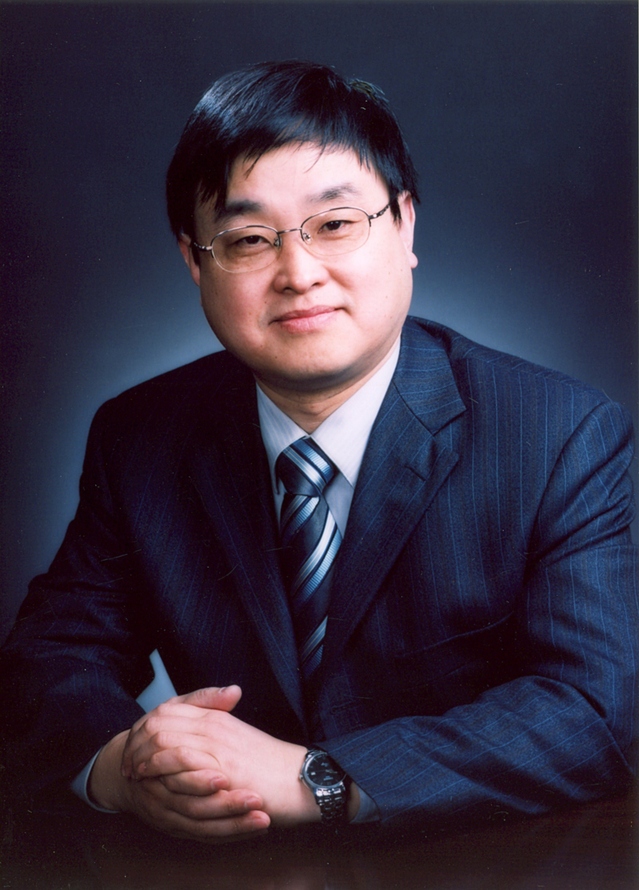
Born in Hejian, Hebei Province, in October 1961, Guo Zijian studied and worked abroad for 10 years. In 1999, he became a professor at Nanjing University and was later appointed director of the university’s National Key Laboratory of Coordination Chemistry and dean of the School of Chemistry and Chemical Engineering.
Guo has won research funds from many projects including the National Science Fund for Distinguished Young Scholars, the National Natural Science Fund for Innovative Research Groups and the National 973 Project.
He was awarded the Luigi Sacconi Medal of the Italian Chemical Society and the first prize of the Natural Science by the Ministry of Education.
Currently Guo serves as a deputy director of the academic board of the National Key Laboratory of Coordination Chemistry and an associate editor of the international journal The Coordination Chemistry Reviews.
Guo’s field is chemical biology. He has designed the fluorescence probe of metal ions, which improved fluorescence imaging in observing ionic transfer and enrichment. He has investigated the metal antineoplastic drug and constructed the targeted drug delivery system of new platinum drugs. He has also developed copper complexes-based artificial nuclease and studied the structure-function relationship and synergistic effect of metals as well as the correlation between the DNA breakage and antineoplastic activity.

